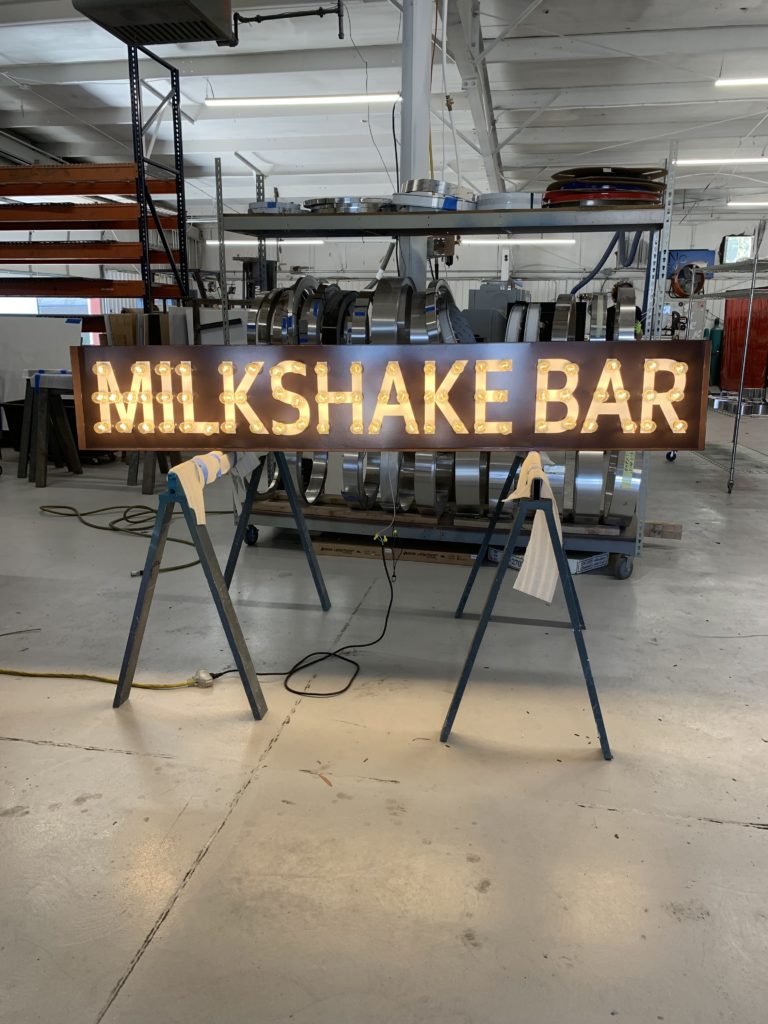
When installing an illuminated sign, one of the most important safety requirements is UL certification. If you have ever looked closely at a commercial sign, you may have noticed a small UL label attached to the inside or side of the sign cabinet. That label indicates that the sign meets specific electrical safety standards.
Understanding what UL certification means can help business owners, contractors, and property managers make sure their signage is safe and compliant with local codes.
What UL stands for
UL stands for Underwriters Laboratories. It is an independent safety organization that develops and tests standards for electrical products and equipment.
UL has been setting safety standards for more than a century and is widely recognized by building departments and electrical inspectors across the United States.
When a sign is UL certified, it means the electrical components and wiring inside the sign meet established safety guidelines.
Why UL certification matters for signs
Illuminated signs contain electrical components such as LED modules, power supplies, transformers, wiring, and connection points. Because these components are exposed to weather and operate for many hours each day, they must be installed properly to prevent electrical hazards.
UL certification helps ensure that the sign has been assembled using approved components and that the wiring and electrical layout follow proper safety standards.
This helps reduce the risk of electrical failure, overheating, or fire hazards.
Why many cities require UL labels
Many municipalities require illuminated signs to carry a UL label before they can pass electrical inspection.
During the permitting and inspection process, the electrical inspector may check the sign for a UL sticker or certification label. This confirms that the sign was built according to approved electrical standards.
Without this certification, a sign may fail inspection and cannot legally be connected to power.
Why this matters for business owners
For most business owners, UL certification is not something they need to worry about directly. However, it is important to work with a professional sign company that understands these requirements.
A qualified sign company will fabricate signage that meets electrical standards, coordinate with electricians, and ensure the sign can pass inspection.
This helps avoid delays during installation and ensures the sign operates safely once it is installed.
Planning ahead helps the process go smoothly
UL certification is just one part of the overall sign installation process, but it plays an important role in electrical safety and code compliance.
Working with experienced sign professionals and licensed electricians helps ensure that illuminated signage is designed, fabricated, and installed correctly from the beginning.